Beyond the "Love of Your Life" Movie: Why Everyday Logistics Make or Break Modern Romance (And How Free "Do-It-For-Yourself" Printables Save American Relationships)
Inspired by the cultural buzz of the Love of Your Life movie starring Margaret Qualley, explore why everyday domestic friction, mental load, and chaotic logistics are the true threats to modern American romance. Learn how free, analog "Do-It-For-Yourself" printables—from meal menus to chore systems—restore intimacy, eliminate nagging, and keep families going strong.

- › 1. Hollywood Myth vs. Tuesday 7:15 PM Reality
- › 2. The Anatomy of Domestic Friction & Mental Load
- › 3. Why Digital Apps & Calendars Fail Couples
- › 4. The "Do-It-For-Yourself" Analog Revolution
- › 5. Six Real-Life Battlegrounds & Printable Fixes
- › 6. Building an American Kitchen Command Center
- › 7. The 20-Minute Sunday Couple Sync
- › 8. Margaret Qualley & Choosing Daily Love
- › 9. Comprehensive FAQs for American Couples
- › 10. Reclaim Your Evenings: Start Tonight
1. The Hollywood Myth of the "Love of Your Life" vs. The Tuesday 7:15 PM Reality
There is an undeniable cultural electricity buzzing around the upcoming release of the Love of Your Life movie starring Margaret Qualley. Cinematic romance has always held up a dazzling, intoxicating mirror to our deepest human desires. We flock to theaters to watch characters stumble into serendipitous coffee-shop encounters, exchange breathless dialogue under dramatic Manhattan cloudbursts, and navigate heart-wrenching third-act reconciliations backed by swelling orchestral scores. Margaret Qualley, with her extraordinary ability to channel raw, electric vulnerability, magnetic quirkiness, and fierce emotional honesty—seen in standout performances ranging from Maid to The Substance—embodies exactly what modern audiences crave in on-screen romance: real, unvarnished human longing.
We leave the cinema with that familiar flutter in our chests, yearning for that cinematic magic with the love of our own lives. But then, real life resumes.
Here is the sequel that Hollywood never films. It does not take place under soft studio lighting in a picturesque brownstone. It takes place at 7:15 PM on a rainy Tuesday in an average American household—whether that is a colonial in suburban Columbus, Ohio, a split-level outside Atlanta, or a townhome in Austin, Texas. Both partners have been awake since 6:00 AM. Both have worked demanding, emotionally draining eight-to-ten-hour shifts in dual-earning corporate, healthcare, or remote jobs. The kitchen sink is overflowing with stainless steel pots and crusty oat milk sippy cups. The refrigerator hums under the weight of an uninspired dinner question that has been asked four times: "So... what do you want to do about food tonight?"
In the hallway, a backpack dumps crumpled math worksheets onto the rug. An overdue utility bill sits menacingly on the entryway console. And standing in the doorway, staring at the person they once pledged to love, honor, and cherish until the end of time, one partner looks at the other and snaps with razor-thin patience: "Did you seriously forget to move the laundry to the dryer again?"
This is not a failure of love. It is a failure of logistics.
The tragedy of modern American relationships is that nobody falls out of love because they stopped finding each other interesting. Couples drift apart, argue, and burn out because the crushing, invisible weight of daily domestic coordination turns romantic partners into exhausted, resentful co-managers of a chaotic, underfunded small business called the household.
2. The Anatomy of Domestic Friction: Why Love Fades When Household Logistics Fail
Sociologists and relationship researchers across the United States have spent the last decade documenting a quiet epidemic in American homes: invisible labor and cognitive burnout. As highlighted by groundbreaking researchers like Dr. Allison Daminger at Harvard University and Eve Rodsky in her bestselling work Fair Play, keeping a household running requires four distinct mental phases:
- Anticipating: Noticing that the household is running low on children's allergy medication, that baseball practice starts next Tuesday, or that the car inspection expires at the end of the month.
- Identifying: Figuring out which specific brand of medication is safe, which pediatric form needs a signature, or how much the car registration renewal costs.
- Deciding: Determining who will drive, what time to place the Target grocery pickup order, or how to juggle competing dentist appointments.
- Monitoring: Tracking the execution from start to finish to ensure the task actually crossed the finish line without a crisis.
In millions of American households, one partner—historically and statistically most often the mother or female partner, though dual-career dynamics vary widely—silently bears the burden of all four stages. The other partner might be more than willing to help, but waits passively for instructions, asking the dreaded phrase: "Just tell me what you need me to do."
While spoken with good intentions, that single sentence shifts 100% of the cognitive management burden onto one person. It transforms equal romantic lovers into a frustrated supervisor and a reluctant employee. And as every psychologist will tell you, you cannot feel romantic or sexual desire for someone you feel like you have to supervise.
According to the renowned Gottman Institute, renowned for studying thousands of couples over four decades, the number one predictor of relationship dissolution is not explosive fights about infidelity or money. It is the insidious buildup of chronic low-level resentment, criticism, and defensiveness. And where does that resentment breed? Right on the kitchen counter, between 6:30 AM and 8:30 PM, over unpacked lunchboxes, missed trash days, forgotten doctor appointments, and chaotic morning routines.
3. Why Digital Apps, Shared Calendars, and Smart Screens Are Failing American Couples
Whenever modern couples realize their household is spiraling into disorganization, their first instinct is predictable: "There must be an app for this."
They download shared Google Calendars. They experiment with Apple Reminders, Notion dashboards, Cozi, Trello boards, and $12-a-month subscription family organizers. For the first four days, there is a burst of optimism. Then, reality catches up, and the digital system collapses.
Why do productivity apps consistently fail American families? The answer lies in human cognitive architecture and digital friction:
When you pick up your phone to check whether your spouse picked up bread, your lock screen displays 14 notifications: breaking news, work Slack pings, an Amazon package alert, and an Instagram DM. Within 45 seconds, your brain is hijacked. You forget the bread, spend 12 minutes doomscrolling, and return to the kitchen more stressed than when you started.
Digital information is invisible by default. It hides behind locked screens, nested app folders, and closed browser tabs. If your partner does not actively open the app, refresh the sync, or enable push notifications, the shared schedule effectively ceases to exist in their physical reality.
American consumers are suffocating under micro-transactions. Between streaming services, cloud storage, music apps, and delivery memberships, the average US household spends over $250/month on recurring digital fees. Being forced to pay $9.99/month just to share a chore list feels insulting and unsustainable.
Most free "family organizers" monetize by tracking your location, harvesting your children's names and birthdates, and selling behavioural demographic profiles to third-party ad networks and data brokers. Family life should remain private, sacred, and offline.
When you replace human eye contact with smartphone screen glow, you do not build closeness; you build distance. What couples need is not another Silicon Valley app. What couples need is physical, shared, analog clarity.
4. The "Do-It-For-Yourself" (DIFY) Analog Revolution: Why Paper on the Fridge Saves Relationships
Enter the quiet revolution taking over modern American households: Do-It-For-Yourself (DIFY) Printable Systems.
Instead of relying on rigid, expensive, app-based ecosystems, couples and parents across the country are returning to the timeless genius of tangible paper. But this is not your grandmother's messy bulletin board filled with yellowed sticky notes and magnetic business cards. This is a clean, intentional, design-forward stationery architecture tailored specifically for 21st-century domestic realities.
Consider the neuroscience of physical paper in shared spaces:
📌 1. The Refrigerator as the Secular Hearth of the American Home
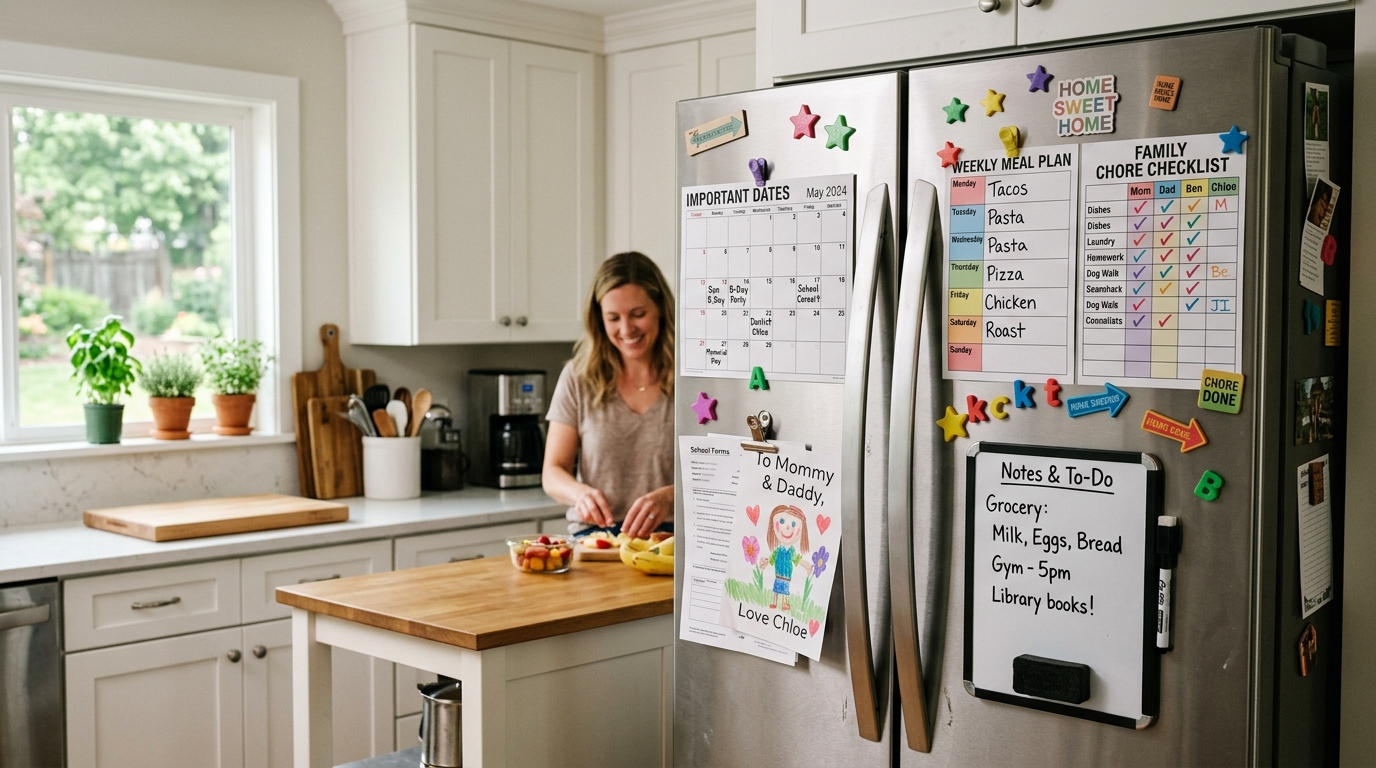
Every single person in your household passes the refrigerator multiple times a day: pouring morning coffee, grabbing milk for cereal, fetching a snack, or filling a water bottle. Placing an interactive printable planner on the fridge door harnesses an established behavioural anchor. It places essential family commitments in the direct line of sight of both partners and all children, requiring zero password logins, zero syncing, and zero Wi-Fi connectivity.
⚖️ 2. The Paper Becomes the Neutral Referee (Eliminating the "Nagging" Dynamic)
When a wife tells her husband to take out the recycling, or a husband reminds his wife to sign a permission slip, psychology codes it as interpersonal criticism. But when the task is cleanly printed on a laminated Weekly Cleaning Schedule or Weekly Family Command Center, the paper is the objective truth. It is not one partner bossing the other around; it is simply what the household agreed to accomplish. The nagging dynamic evaporates instantly.
✍️ 3. The Visceral Dopamine of Physical Completion
Tapping a glass screen to dismiss a notification produces virtually zero neurochemical reward. Swiping a fine-tip dry-erase marker across a laminated chore grid or ticking off a grocery checklist with a click of a ballpoint pen triggers an unmistakable tactile burst of satisfaction. It makes accomplishment visible, celebrated, and contagiously shared.
5. The Six Real-Life Battlegrounds Where the "Love of Your Life" Is Saved Every Single Day
Let's move from theory into high-stakes domestic trenches. Where do marriages, partnerships, and family peace actually bleed out? And which free, interactive printable tools on FamilyPrintable.com step in as the tactical antidote?
The 6:15 PM "What's For Dinner?" Stalemate
The Pain Point: You both finish work. Decision fatigue has completely depleted your executive functioning. You stare into a pantry filled with disparate ingredients and ask what to eat. One partner says, "I don't care, whatever you want." The other suggests pasta. "Ugh, we had carbs yesterday." What follows is a 40-minute passive-aggressive standoff that ends in ordering greasy $45 DoorDash, feeling bloated, and going to bed financially guilty and emotionally distant.
Every Sunday afternoon, take exactly 12 minutes to customize your 5-day dinner slate. Assign simple themes: Meatless Monday, Taco Tuesday, Crockpot Wednesday, Sheet-Pan Thursday, Pizza & Leftovers Friday. Hit Print or generate an instant vector PDF. Mount it at eye level. At 6:00 PM, nobody asks what is for dinner. You look at the paper, execute the plan, and reclaim 45 minutes of peaceful conversation over dinner.
Chore Warfare & The Poison of Unequal Resentment
The Pain Point: One partner feels like the maid, cook, and personal assistant to the entire house, while the other feels unappreciated and constantly criticized for not knowing how to load the dishwasher correctly. Meanwhile, the children sit on iPads, ignoring the mess entirely.
Our generator lets you select pre-filled age-appropriate duties for toddlers, elementary kids, preteens, and adult partners. Tasks are distributed equitably across the week so nobody feels singled out. Children earn visual star marks, and couples can look at the physical grid to witness and validate each other's contributions in black and white.
The 7:00 AM Morning Rush & The School Lunchbox Panic
The Pain Point: The alarm goes off. Children refuse to put on socks. The bus arrives in 18 minutes, and nobody knows if there is sliced turkey left in the deli drawer. Both parents are barking orders at the kids and snapping at each other. By the time everyone gets into the car, adrenaline is surging, hearts are racing, and the day starts in mutual hostility.
The School Lunch Planner breaks lunches down into 5 visual bento categories (Main, Fruit, Veggie, Crunchy Snack, Drink) with allergy and nut-free warnings. When paired with a laminated Morning Routine Chart mounted in the kids' hallway, children independently walk through brushing teeth, dressing, and packing backpacks without parental yelling. You transform morning trauma into a calm, affectionate sendoff.
Silent Budget Drift, Inflation Shock & Financial Anxiety
The Pain Point: Between soaring US grocery bills, unexpected utility hikes, Amazon impulse clicks, and kids' extracurricular activity fees, money is the unspoken monster lurking under the bed. Couples either fight bitterly about spending or practice "financial avoidance," waiting until credit card limits are maxed out before having a panicked, tearful late-night breakdown.
A physical, one-page monthly ledger that strips away complex spreadsheets and banking app notifications. Sit down together once a month with a glass of wine, write down the fixed bills, log discretionary targets, and highlight due dates. Financial clarity brings safety; safety restores romance.
Date Night Guilt & The High-Anxiety Babysitter Handoff
The Pain Point: You desperately want to take your spouse out to dinner, look into their eyes, and talk about your dreams instead of carpool schedules. But the mere thought of hiring a neighborhood teenager or asking grandma to babysit causes a panic attack: What if there's an allergic reaction? What is the Wi-Fi password? Where is the pediatric urgent care number? What time is bedtime? You end up cancelling date night and eating leftovers on the couch.
This master template captures home Wi-Fi credentials, parents' exact cell numbers, house address (vital for 911 dispatchers), children's bedtime routines, allergy warnings, favorite soothing routines, and emergency pediatric contacts on one crisp sheet. You hand it to the sitter, walk out the front door, turn your phones to vibrate, and enjoy uninterrupted couple intimacy without a shred of guilt.
The "Two Ships in the Night" Syndrome
The Pain Point: You wake up, split responsibilities, exchange tactical logistical texts like "Did you pick up dry cleaning?" and "He threw up at daycare," crawl into bed exhausted, and roll over to sleep. Days turn into weeks, weeks turn into months. You are legally married, but emotionally, you are living as friendly roommates who share a checking account.
The Command Center reserves a dedicated box for "Couple Connection / Date Night of the Week." The Habit Tracker lets partners track shared micro-rituals: a 10-minute porch chat with no phones, a shared 20-minute evening walk, or reading the same book together. When you deliberately calendar romance into the physical environment of your home, romance stops being an afterthought and becomes a daily non-negotiable reality.
6. How to Build an American Family "Command Center" on Your Fridge for Under $25
You do not need to spend hundreds of dollars at Pottery Barn or hire an expensive Instagram home organizer to bring peace and structure to your household. You can construct an elite, highly durable, designer-grade Family Command Center in less than an hour using supplies you likely already have or can pick up at Target, Walmart, or Amazon for under $25:
Choose 28lb–32lb Paper or Cardstock
Standard 20lb printer paper is flimsy and bleeds ink. Upgrading to heavyweight 28lb bright white paper or 65lb cardstock (about $8 a ream) gives your printables a crisp, substantial, premium stationery feel that won't curl on the fridge door.
Laminate or Use Dry-Erase Sleeves
A simple $16 thermal laminator or a pack of $7 clear heavy-duty dry-erase pocket sleeves makes any printable infinitely reusable. Slip your customized template inside, and use dry-erase or wet-erase markers to check off tasks week after week.
Flat Neodymium Magnets & Clips
Pick up a set of flat, coated magnetic clips and a magnetic cup to hold your ultra-fine tip dry-erase pens. Mount your meal planner, chore chart, and emergency sheet at adult and child eye-level on your refrigerator or side pantry wall.
In less time than it takes to watch an episode of a television drama, your kitchen transforms from an epicenter of anxious confusion into a beacon of calm, coordinated family teamwork.
7. The 20-Minute Sunday "State of the Union" Routine for Couples
Tools are only as good as the human habits behind them. To truly protect the "love of your life" from the grinding gears of modern American life, implement this simple 20-minute ritual every Sunday afternoon or evening:
Those 20 intentional minutes prevent an estimated 40 weekday arguments, eliminate decision paralysis, and ensure both partners wake up on Monday morning feeling like valued teammates rather than adversaries.
8. Margaret Qualley, Artistic Rawness, and Choosing Love Every Single Morning
In Margaret Qualley's most celebrated work, she consistently chooses roles that confront the raw, unglamorous underbelly of human relationships. In the critically acclaimed Netflix limited series Maid, based on Stephanie Land's memoir, Qualley delivered an unforgettable, heart-shattering portrait of a young mother fighting through the suffocating complexities of domestic struggle, low-wage employment, and child care logistics. It proved to audiences worldwide that Margaret Qualley understands something profound: love and survival are deeply intertwined with the logistical reality of daily existence.
In the upcoming Love of Your Life film, Qualley explores romance from another deeply human angle: what happens when high-stakes emotional desire collides with the friction of modern life, career ambitions, and personal vulnerability. Her artistic courage reminds us that real love is never a static fairy tale. It is not something you passively "find" once in your twenties and coast through on cruise control for fifty years.
The "love of your life" is an active, living verb. It is something you choose on a snowy Thursday when both of you are running on four hours of sleep. It is choosing to pack the lunchbox so your partner can get an extra twenty minutes of rest. It is writing down the grocery items so they don't have to carry the mental inventory alone. It is giving each other the logistical infrastructure needed to breathe, laugh, and remember why you fell in love in the first place.
9. Frequently Asked Questions by American Couples & Parents
Q1: What if my spouse or partner is resistant to using paper printables?
Never impose a system like a dictator. Start tiny. Pick a single friction point that causes mutual frustration—most commonly dinnertime or babysitter handoffs. Say, "Hey, I hate the 6:00 PM dinner stress as much as you do. Let's try this one printed menu sheet on the fridge for just one week and see if it makes our evenings easier." When your partner experiences firsthand how much mental pressure is lifted, they quickly become an enthusiastic advocate.
Q2: Are these templates on FamilyPrintable truly 100% free with no hidden charges?
Yes, 100% free forever. There are zero subscriptions, zero mandatory email paywalls, zero watermarks, and zero "premium tiers." You customize everything live in your web browser and click "Download PDF" or "Print" instantly.
Q3: How does FamilyPrintable protect our family's personal data?
Unlike smartphone apps that send your children's names, bedtime hours, and doctor phone numbers to remote cloud databases, FamilyPrintable operates 100% client-side in your own browser. Your typed data never leaves your device. When you generate a PDF, it renders locally. When you close the browser tab, your data remains completely private.
Q4: Do these printables work for neurodivergent or ADHD households?
They are transformative for neurodivergent families. Individuals with ADHD struggle with working memory and object permanence (out of sight, out of mind). Having high-contrast, visual, physical checklists on the wall or fridge provides constant external executive scaffolding without the cognitive overload of phone notifications.
Q5: Which printer settings ensure the highest quality prints in the USA?
All FamilyPrintable templates are engineered specifically for standard North American US Letter (8.5 × 11 inches) as well as international A4 paper. In your printer dialog window, select "Actual Size" or "Scale: 100%" with standard orientation. For reusable dry-erase sheets, print on cardstock (65lb) or laminate with 3-mil or 5-mil thermal pouches.
Q6: How do we customize colors to match our home aesthetic?
Every tool on FamilyPrintable features a live interactive toolbar with 6 curated color stationery themes—ranging from sleek monochrome Clean Slate and vibrant Sunset Coral to calming Forest Emerald and Nordic Ocean Blue. You can match your refrigerator decor perfectly.
10. Keep the Love of Your Life Going Strong: Start Tonight with One Free Printable
When you watch Margaret Qualley on screen in Love of Your Life, let the cinematic beauty inspire you. Let it remind you of the breathtaking magic of human devotion. But when you walk out of the theater and step back into your home, do not leave your relationship to chance, exhaustion, and domestic friction.
The most romantic thing you can do for your partner tonight is not buying an overpriced bouquet of grocery-store roses that will wither in five days. It is sitting down for fifteen minutes, mapping out next week's dinners, giving your children clear chore responsibilities, locking in a protected date night, and lifting the invisible mental load off the shoulders of the person you love.
You don't need a subscription. You don't need another app. You don't need to give up your privacy.
Start with just one template tonight. Take back your evenings, banish domestic friction, and keep the love of your life thriving for decades to come.
Ready to Transform Your Household Today?
Choose your first printable tool below. 100% free forever, instant live browser customization, and crisp vector PDF downloads in US Letter and A4 formats.
Customize & Print Related Tools
Weekly Dinner Menu & Grocery Organizer
Chore Chart Generator by Age
Weekly Family Command Center Sheet
Babysitter Information & Handoff Sheet
Family Budget & Bill Tracker
School Lunch Planner
Morning Routine Chart
Monthly Habit Tracker
Frequently Asked Questions
How does the Love of Your Life movie relate to FamilyPrintable tools? ▼
While the Love of Your Life movie starring Margaret Qualley explores the intense, cinematic romance of modern relationships, real-world American relationships thrive or struggle based on everyday domestic coordination. Our free printable planners, chore systems, and meal organizers help couples conquer the invisible mental load, eliminate petty household arguments, and protect the intimacy they treasure.
Why choose physical paper printables over shared phone apps for couples? ▼
Smartphone apps hide behind locked screens, create digital distraction, and trigger notification burnout. Physical printables mounted on the refrigerator serve as a constant, neutral, shared visual anchor for both partners and kids without requiring subscription fees, account sign-ups, or invasive data tracking.
How can couples use printables to divide household chores fairly? ▼
Our Chore Chart Generator and Weekly Cleaning Schedule allow couples to transparently map out daily and weekly duties for toddlers, older children, and adults. By assigning explicit tasks in a visible format, both partners share accountability, eliminating the resentment of invisible domestic labor.
Which FamilyPrintable tools are best for reducing weekday marriage stress? ▼
Start with our Weekly Dinner Menu & Grocery Organizer to eliminate the daily 6:00 PM dinner question, the School Lunch Planner to calm the 7:00 AM morning scramble, and the Babysitter Information Sheet to make couple date nights stress-free.
Are all printables completely free for USA families? ▼
Yes, 100% free forever. FamilyPrintable requires no account registration, no credit cards, and no subscriptions. All PDF downloads are generated client-side directly in your browser with zero personal data collected.

Pharmaceutical chemist and regulatory affairs (RA) professional with 8+ years across global enterprises (Intas, Otsuka, Amneal, Mylan, Ranbaxy). Deepak ensures all family trackers and printables maintain analytical data precision, zero-knowledge browser privacy, and stationery-grade craft.
Continue Reading Family Guides

Free Printable Word Searches: The Daily Lifesaver for American Families, Teachers & Seniors
Discover why humble, free printable word searches remain one of the most powerful, screen-free educational tools for American households. From diffusing the 7:30 PM iPad battle and mastering Friday spelling lists to calming busy elementary classrooms and preserving memory in seniors, explore how tangible paper puzzles transform daily routines.
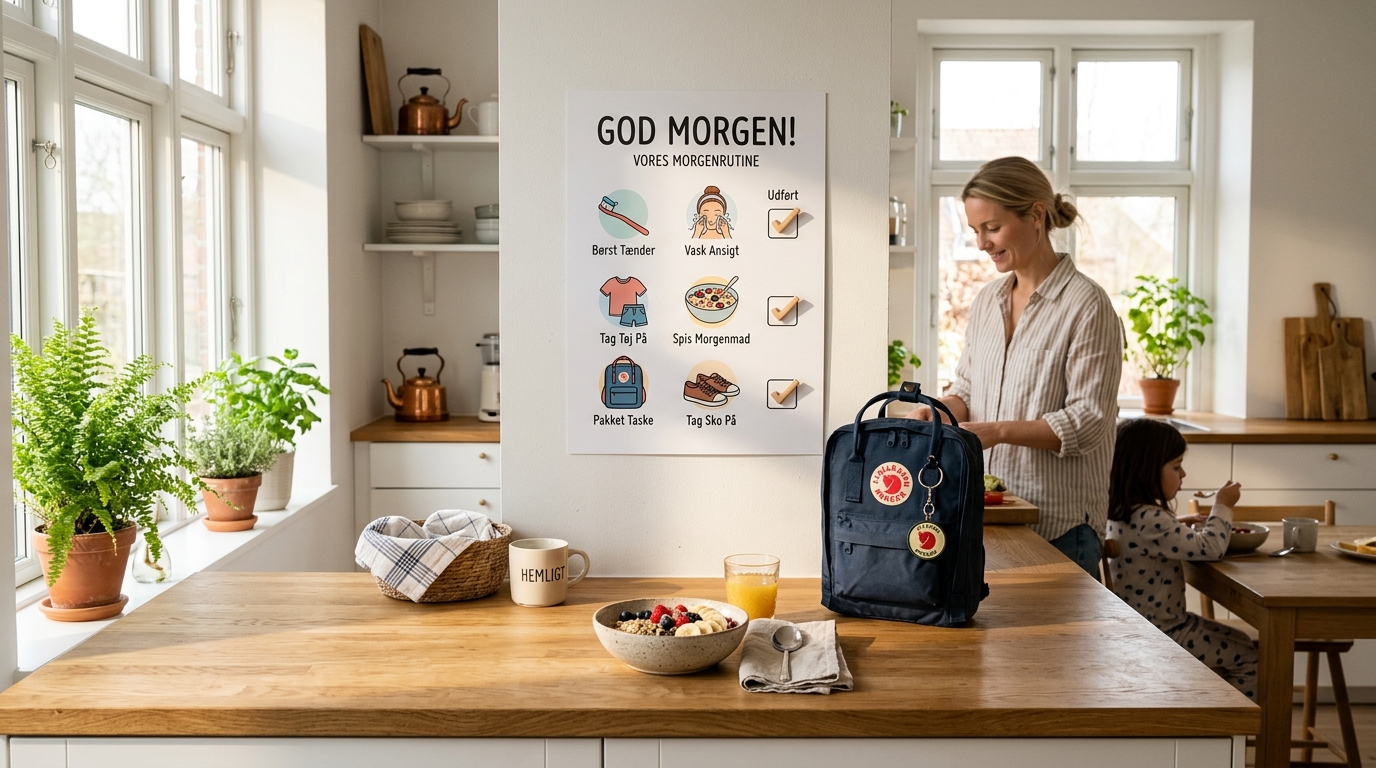
How to Create an Effective Visual Morning Routine for Kids with ADHD
Discover how neurodivergent children process executive function tasks in the morning and how visual, step-by-step printable sequence charts eliminate parent-child power struggles before the school bus arrives.

The Complete Sleepaway Camp Packing Guide & Checklist
Master the art of packing for 1 to 4+ weeks of overnight camp without losing clothes, missing essential medications, or overpacking bulky gear.
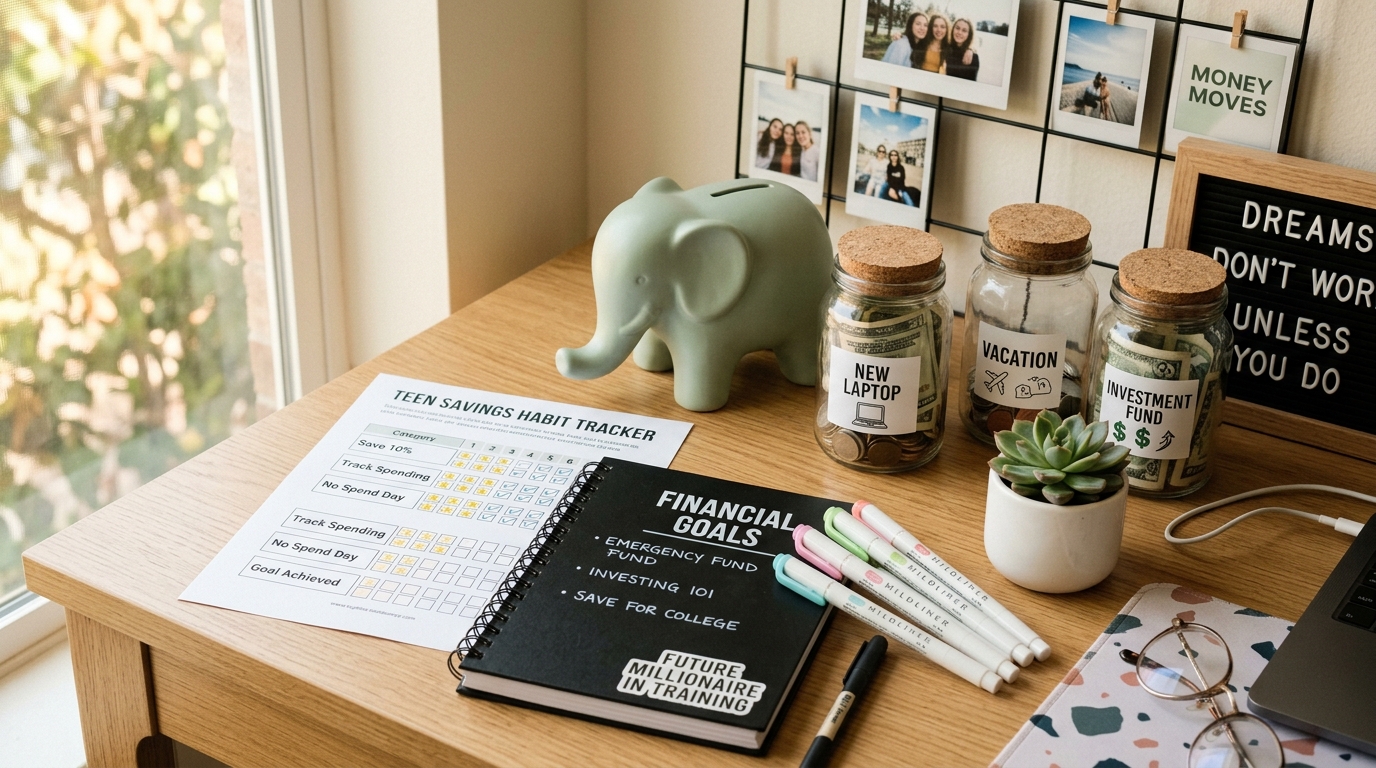
How to Teach Teens Smart Money Habits: Practical Savings Guide & Printable Tracker
Transition teens from coin piggy banks to real-world budgeting systems that manage allowances, part-time jobs, car savings, and discretionary spending with clear visual accountability.
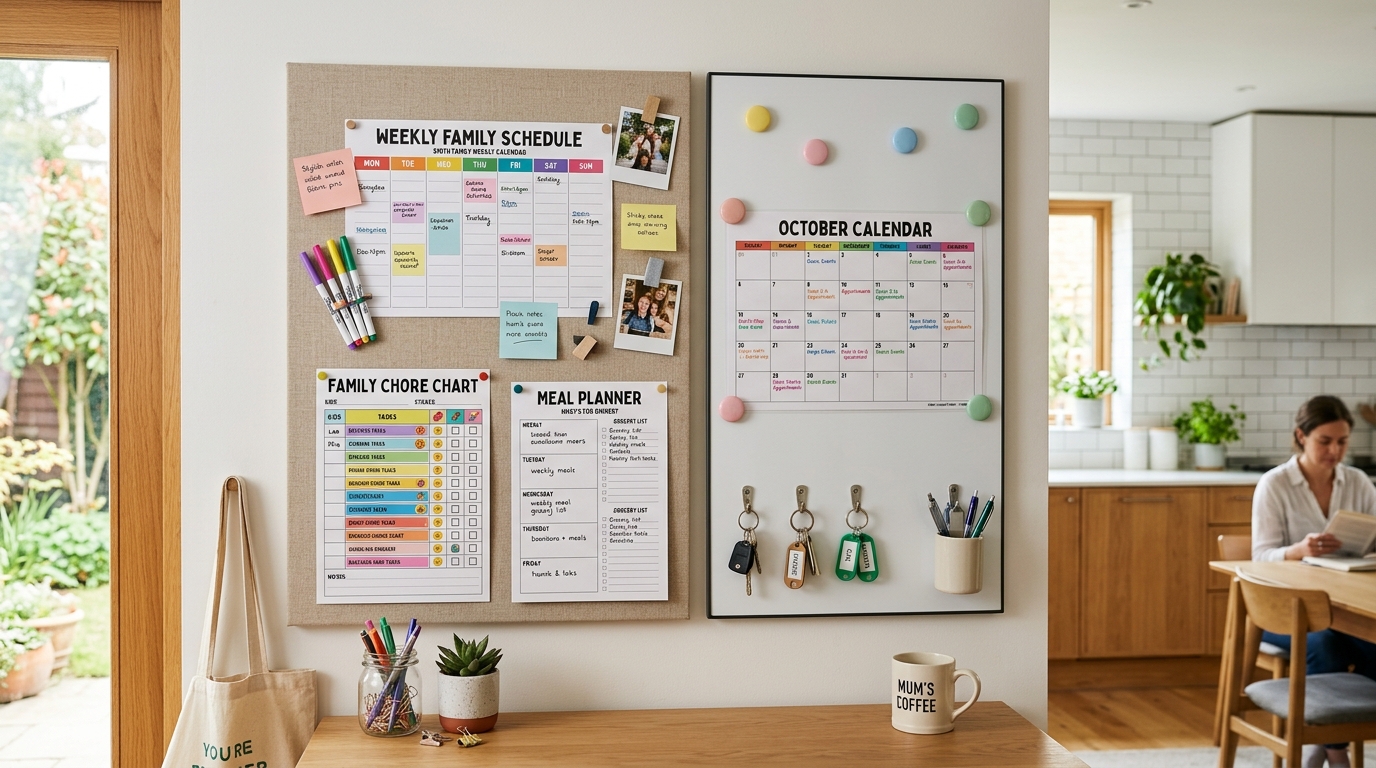
The Ultimate Family Routine Blueprint: Free Printable Systems, Schedules & Checklists
A master tactical guide for parents seeking to replace morning yelling, after-school chaos, and mealtime stress with predictable, visual physical systems. Features step-by-step frameworks for morning launches, homework stations, meal planning, chore accountability, and school keepsakes.